Cereals, oilseeds, pulses, rotations and machinery timing — what every arable farmer should understand before the next drilling season, spray pass or harvest.
Arable farming can look straightforward from the roadside.
Prepare the land, drill the seed, feed the crop, control weeds and disease, then harvest it.
In reality, it is a business of thousands of decisions made months before the final grain price is known.
The farmer must decide what to grow, when to drill it, which variety to use, how much fertiliser to apply, whether a spray is justified, when machinery should travel, when to harvest and whether to sell grain immediately or store it.
Every decision interacts with the others.
A poor rotation can create weed and disease problems.
A badly timed machinery pass can damage soil structure.
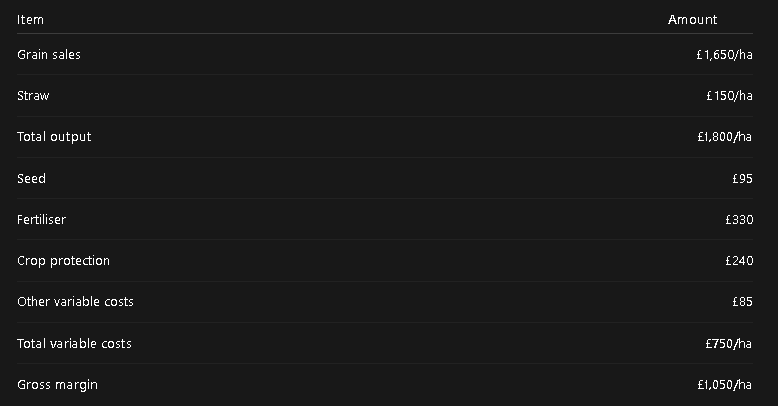
An expensive crop can yield well and still lose money.
A lower-yielding crop may sometimes make more sense if it reduces input costs, spreads workload or improves the following crop.
The most important principle is therefore:
Do not judge an arable crop only by tonnes per hectare. Judge it by the margin it leaves, the condition of the soil it leaves behind and what it does to the rest of the rotation.
The discussion below is mainly written around UK arable farming.